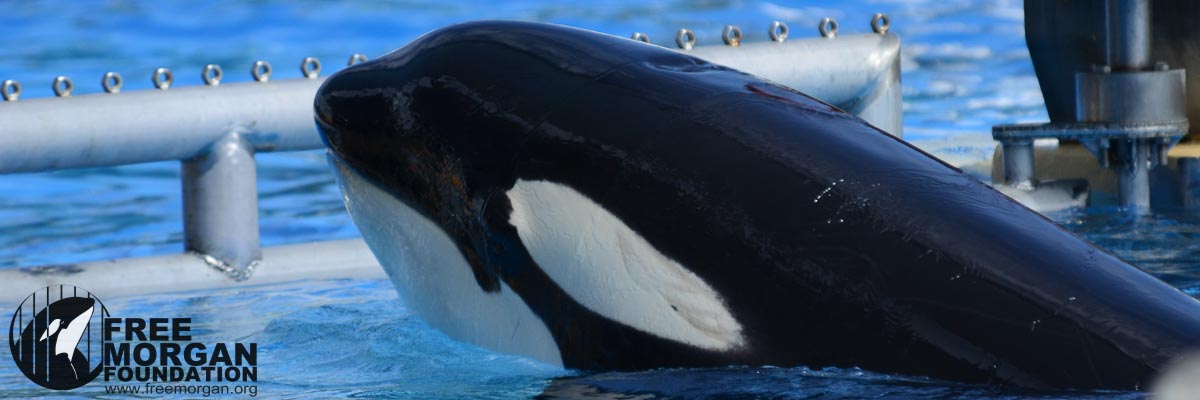

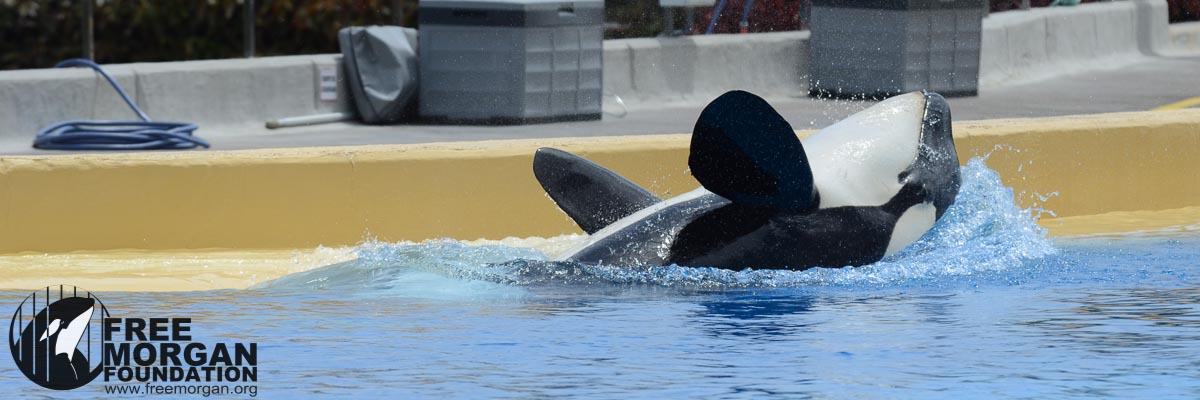
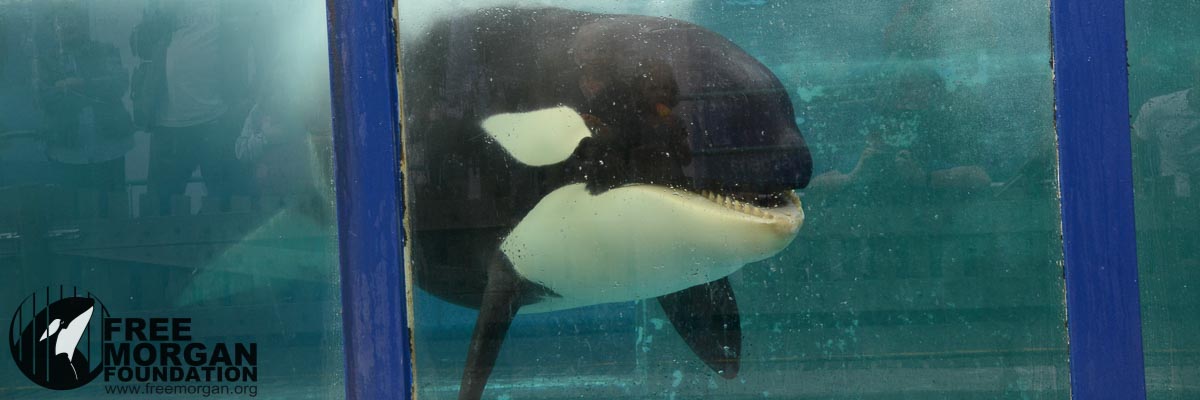
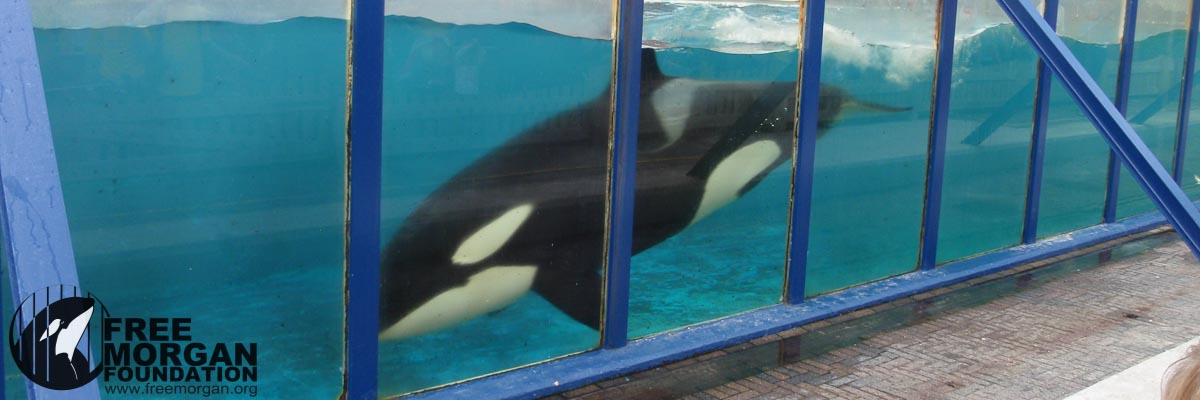
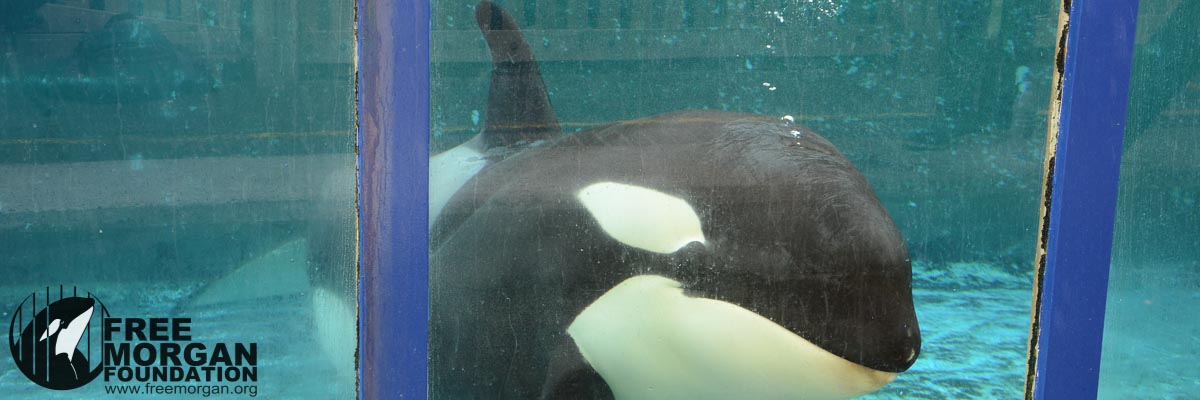
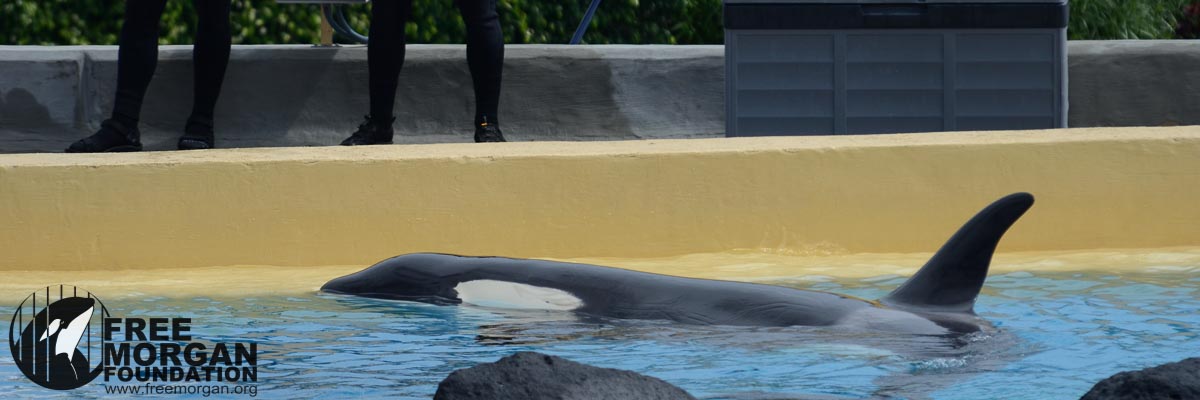
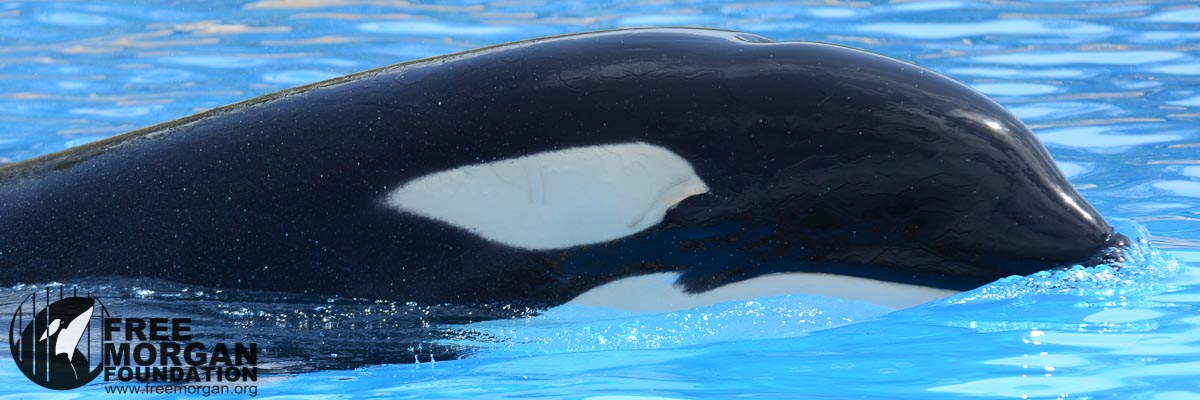
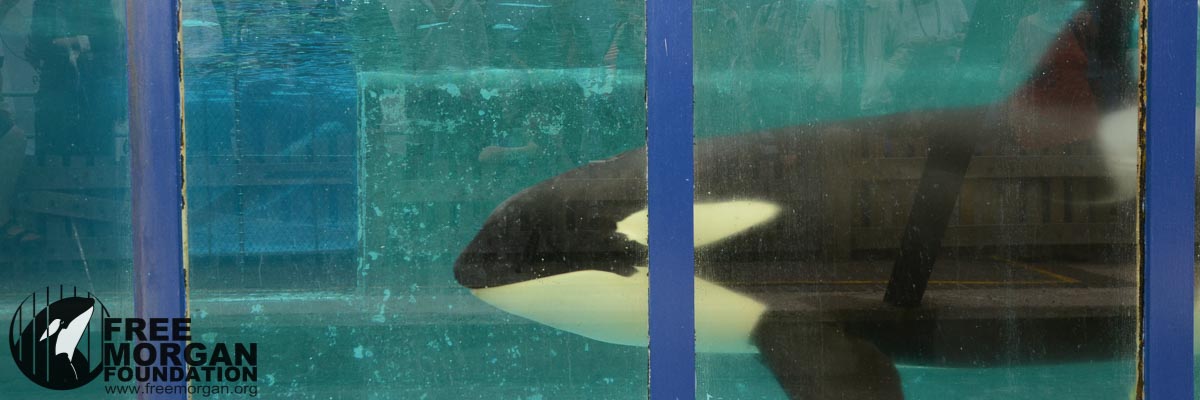
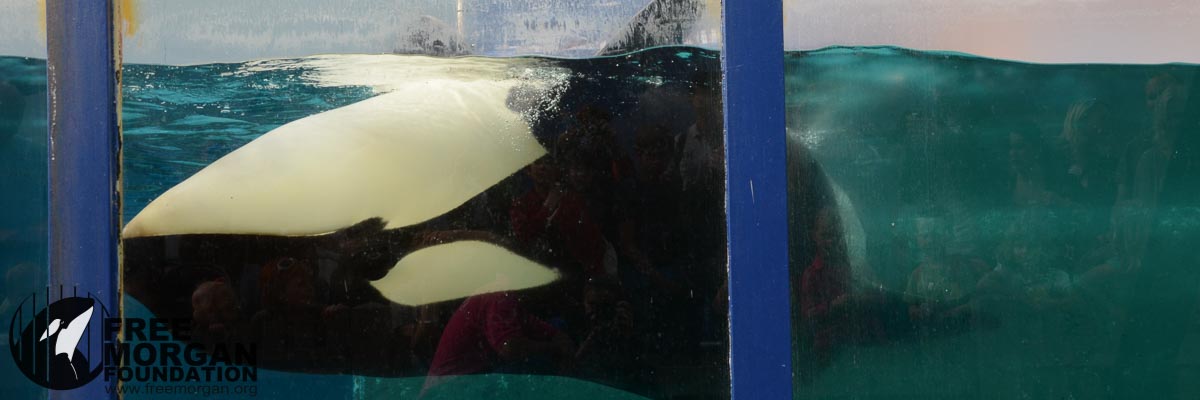
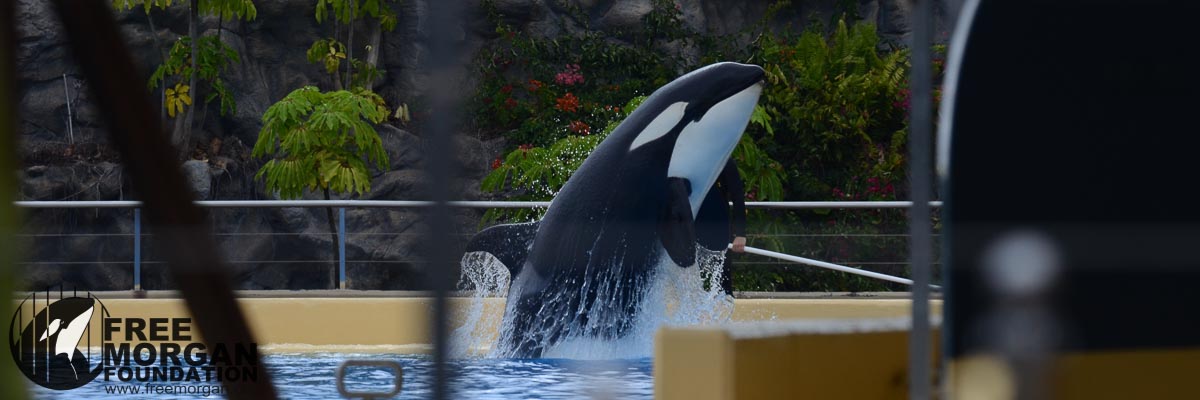
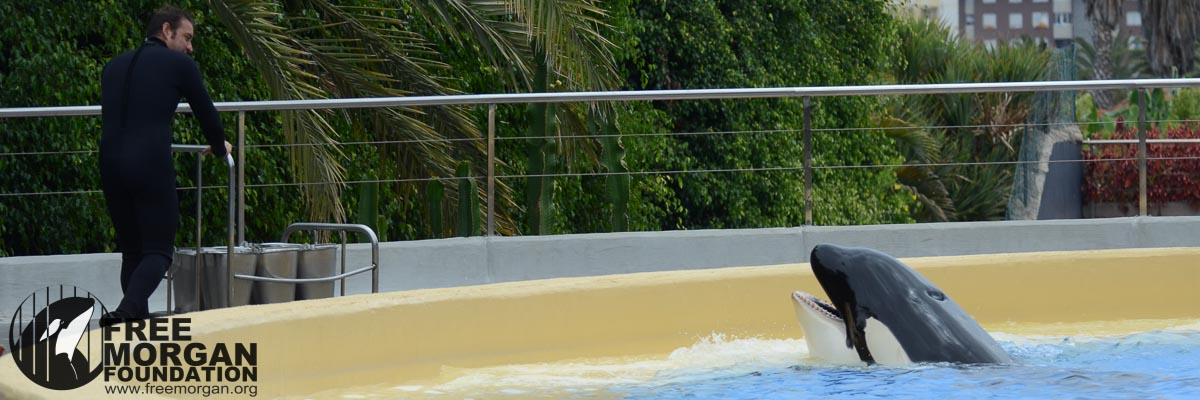
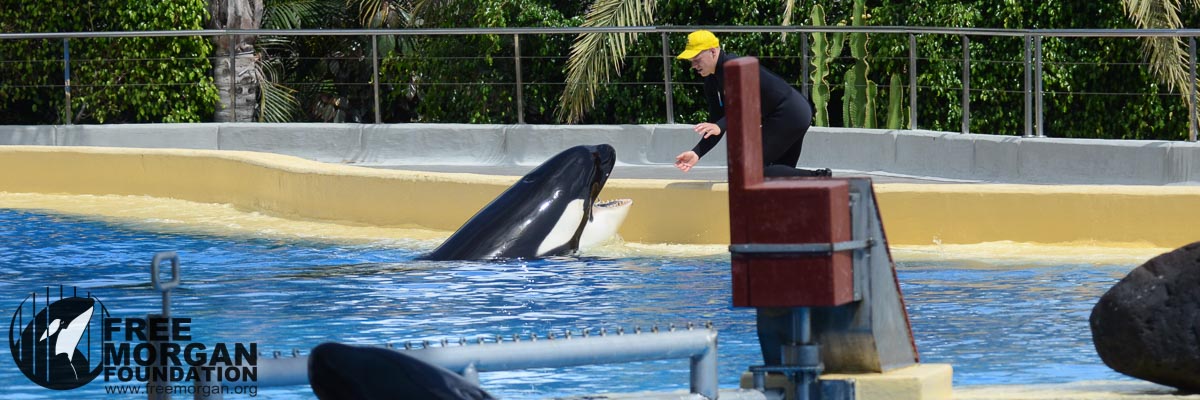
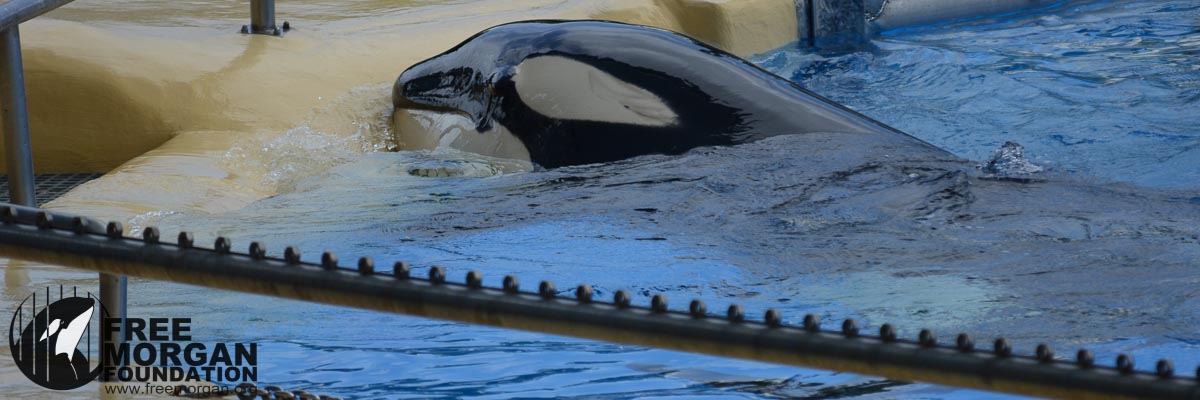
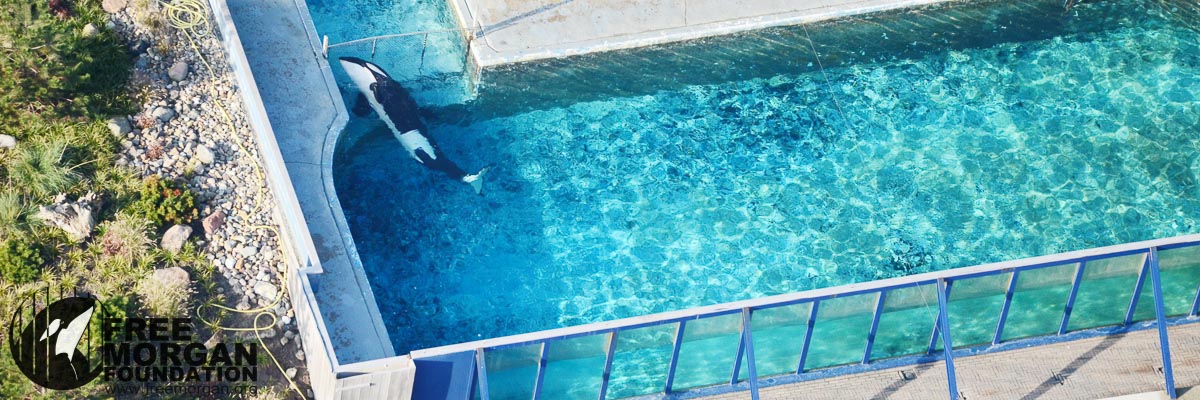
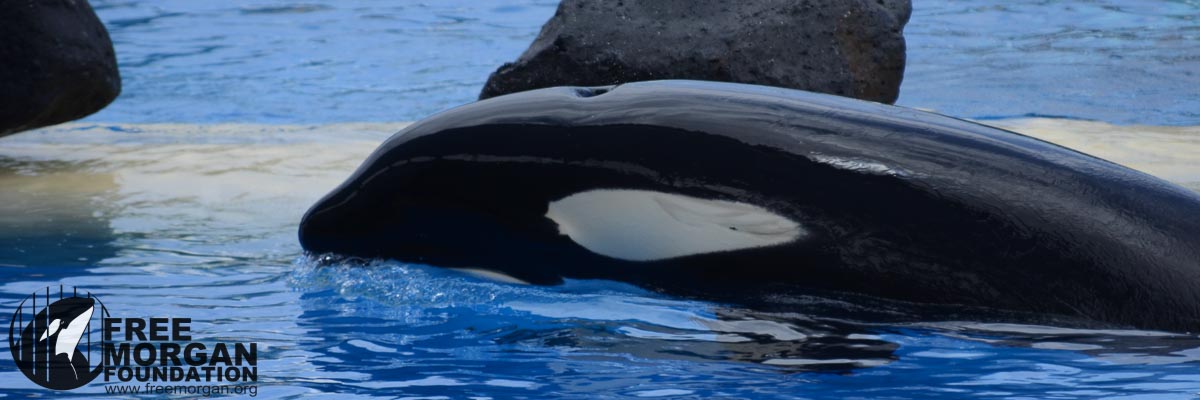
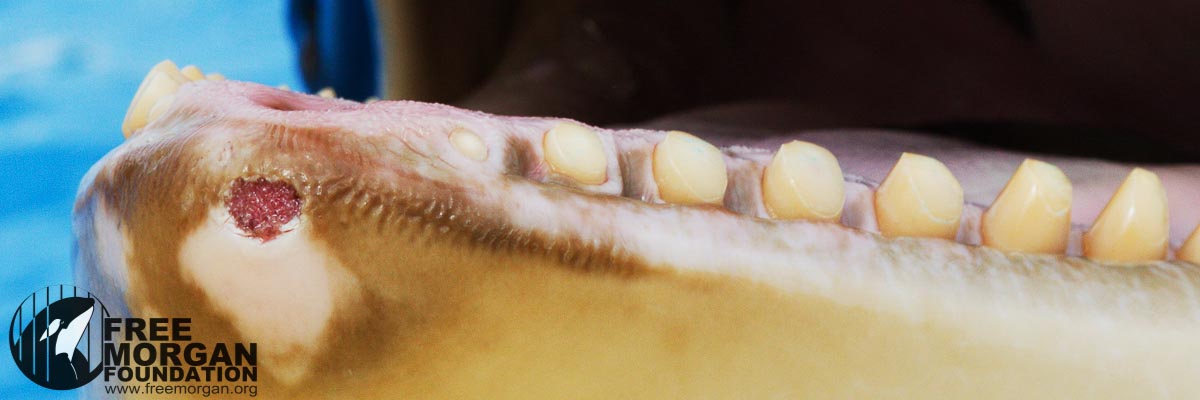
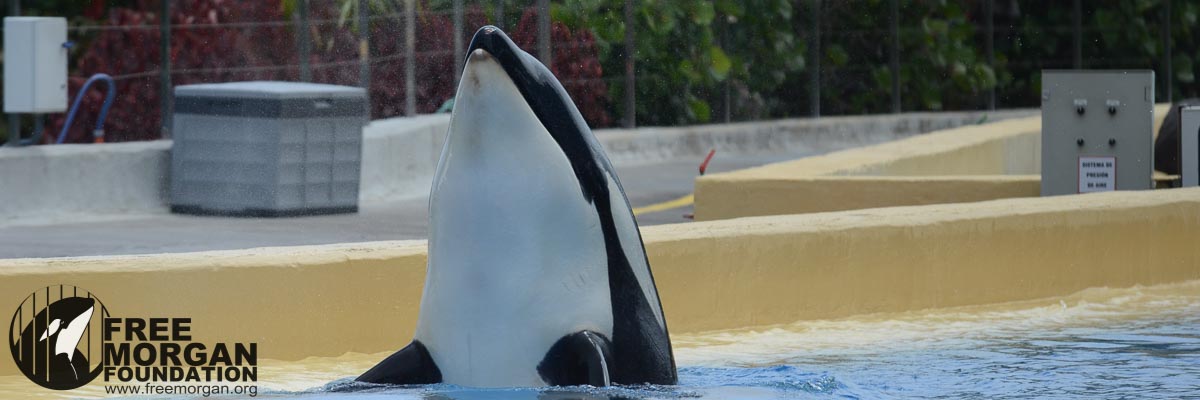
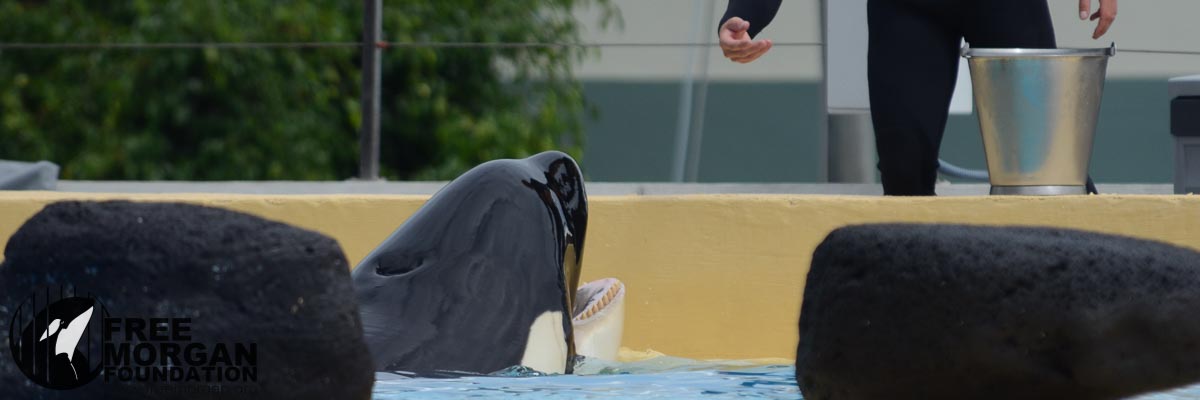
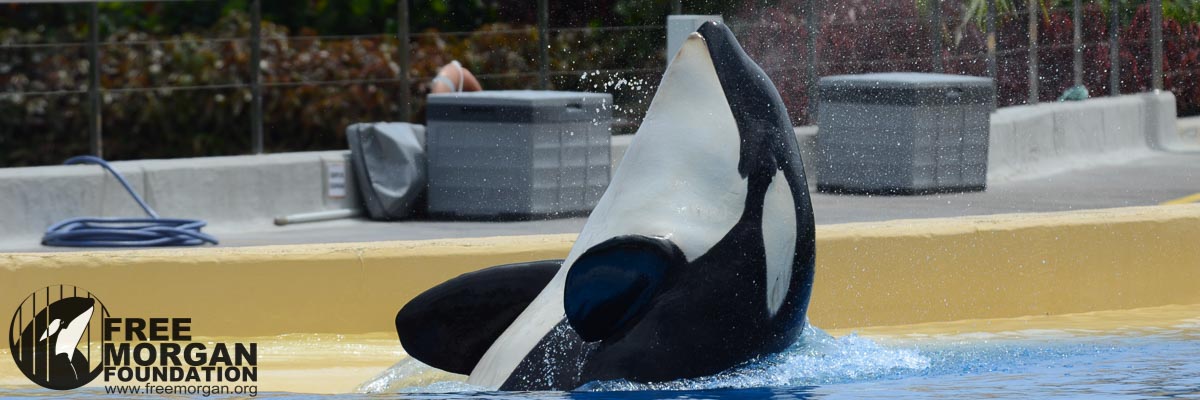
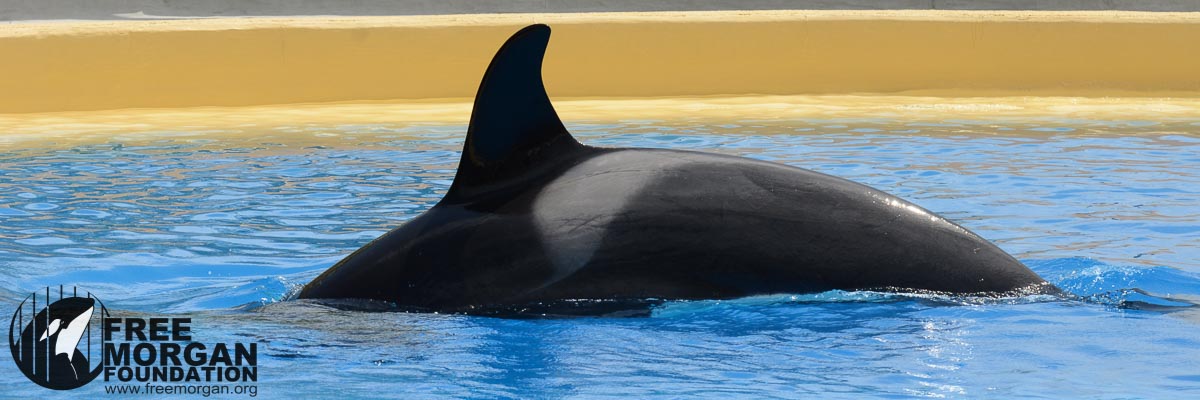
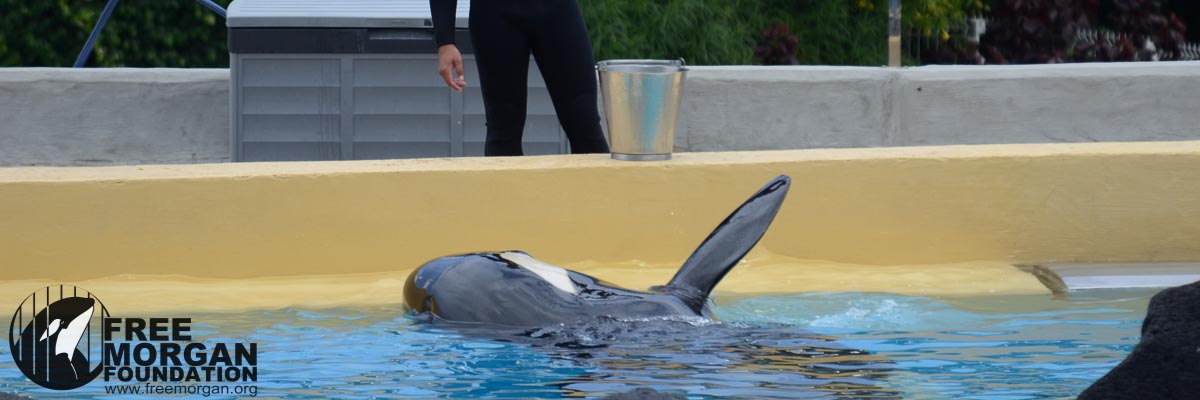
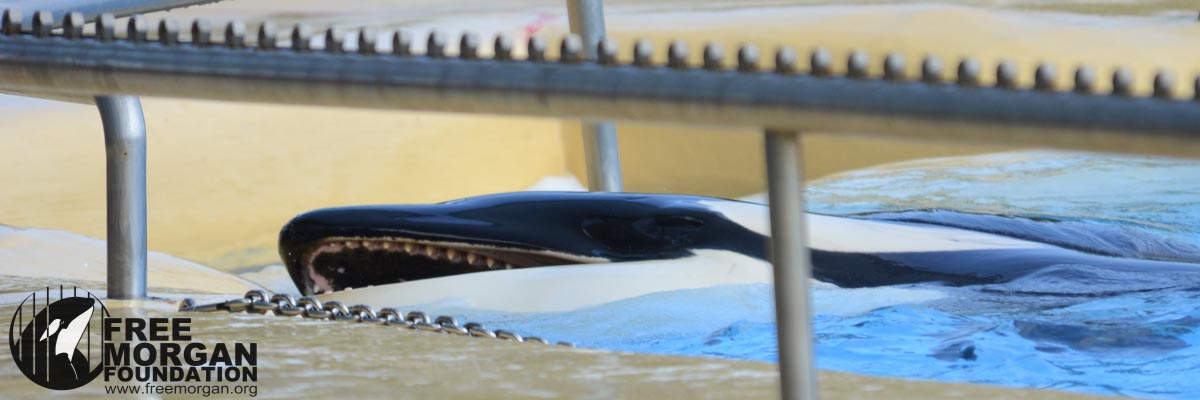
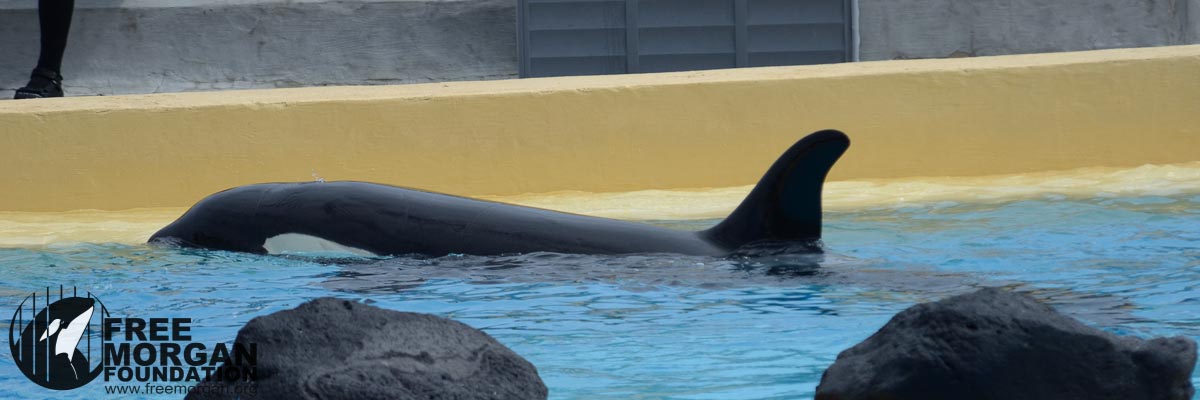
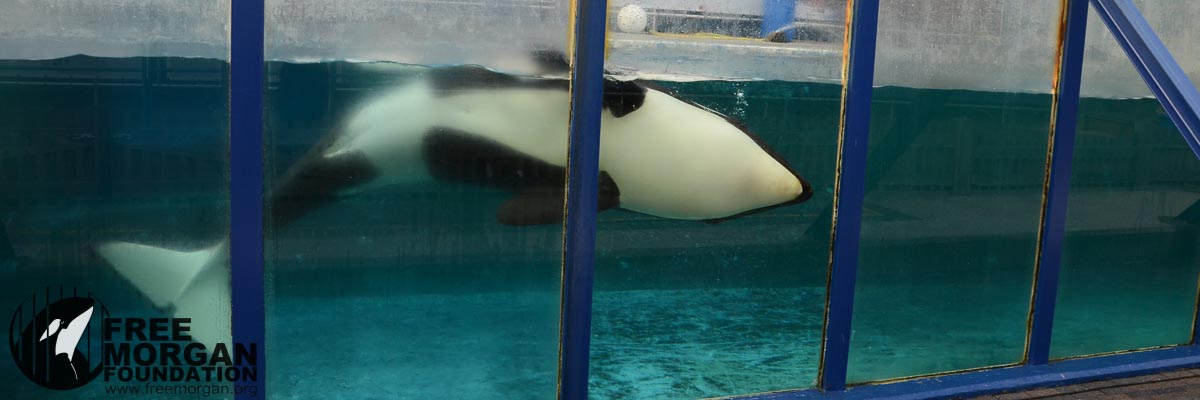
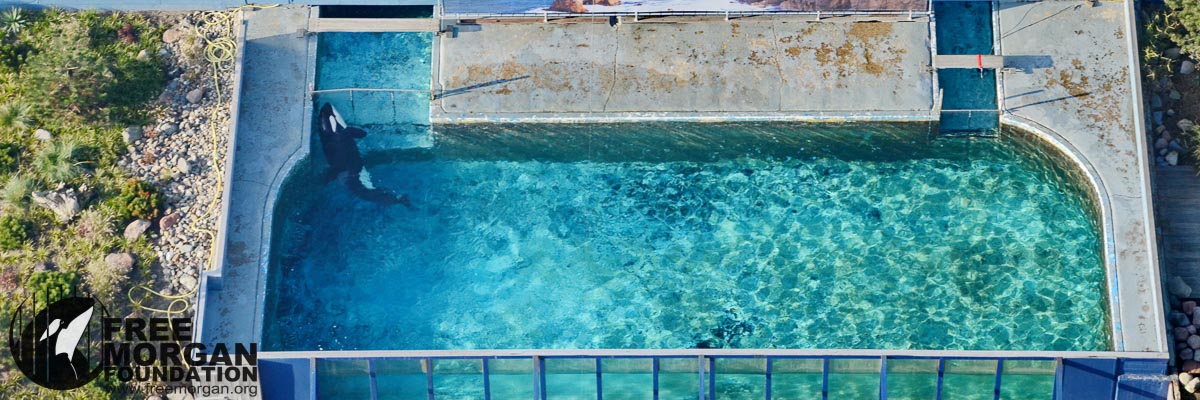
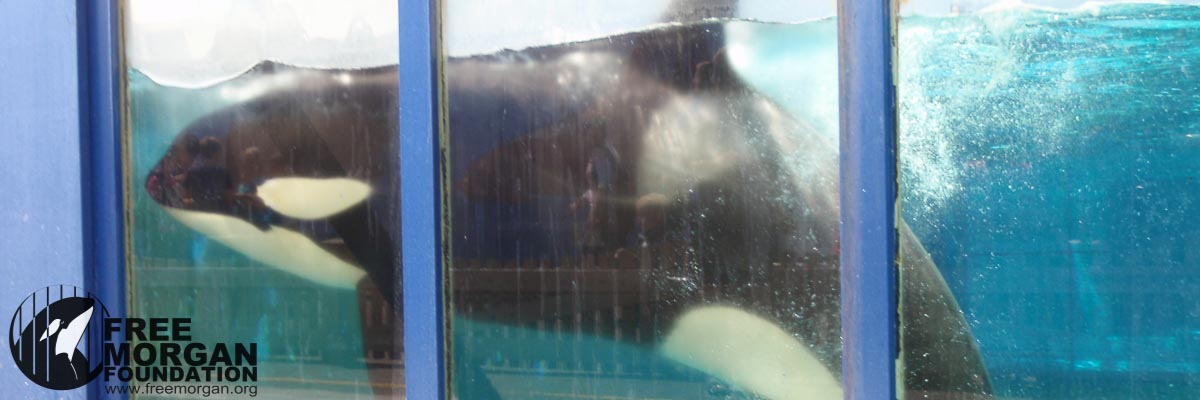
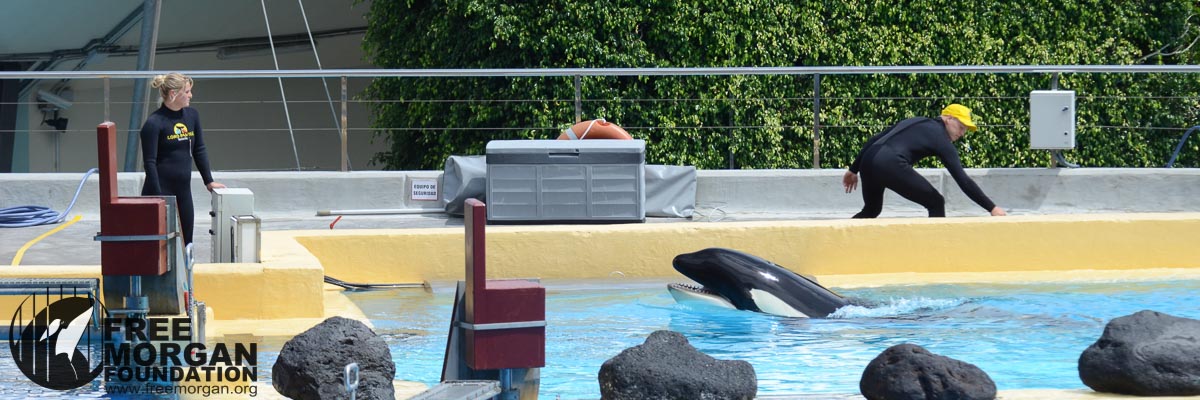
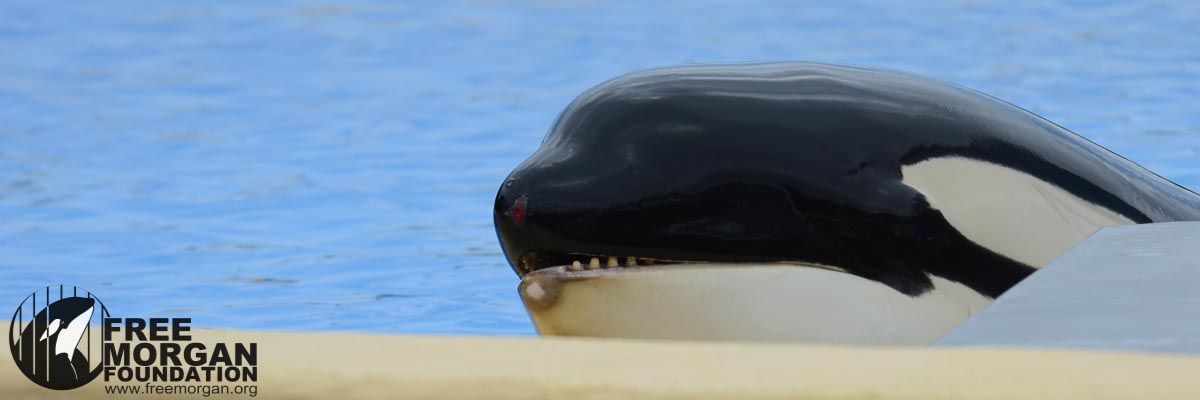
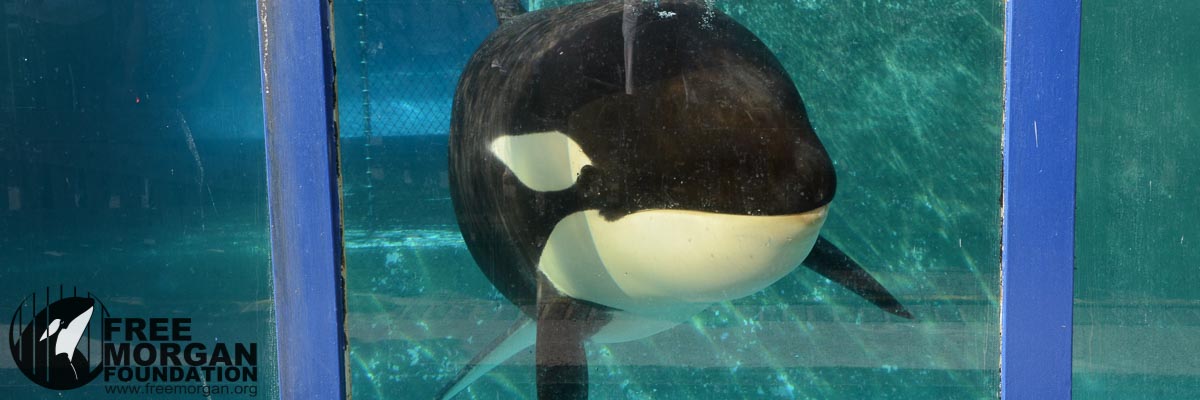
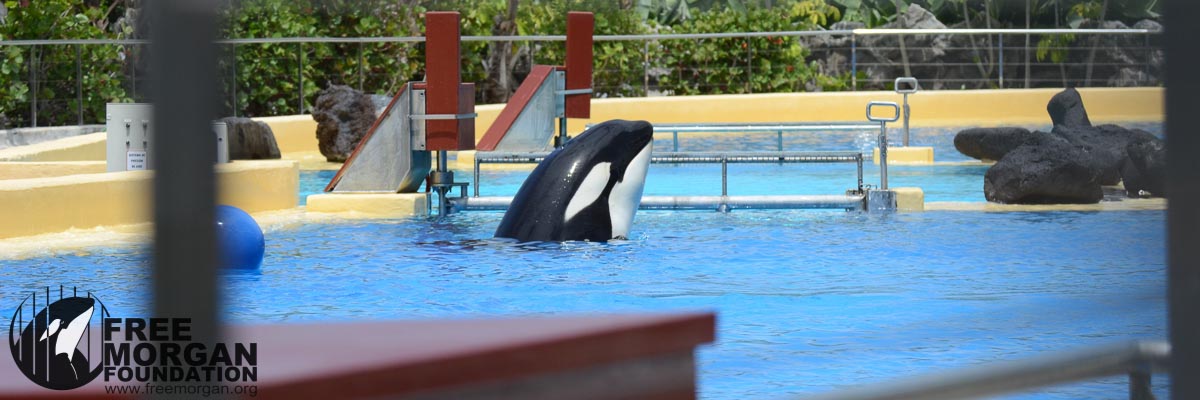
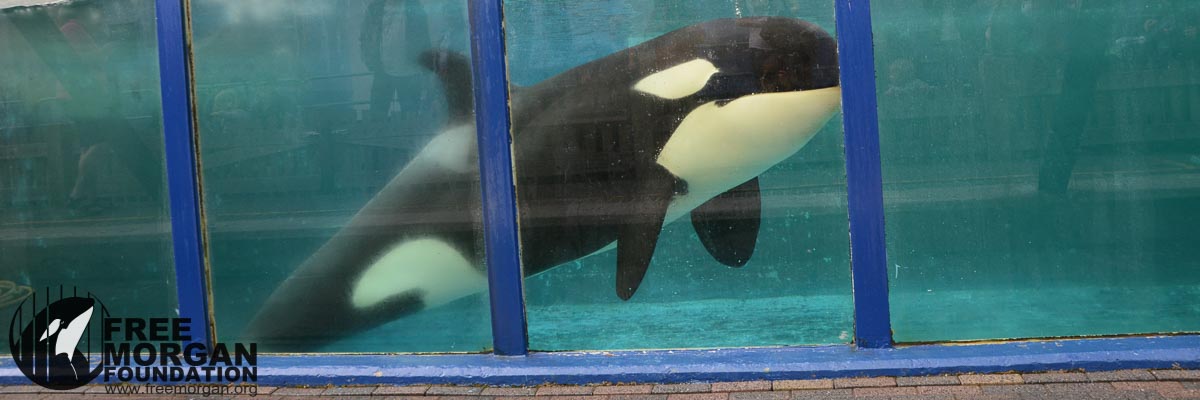
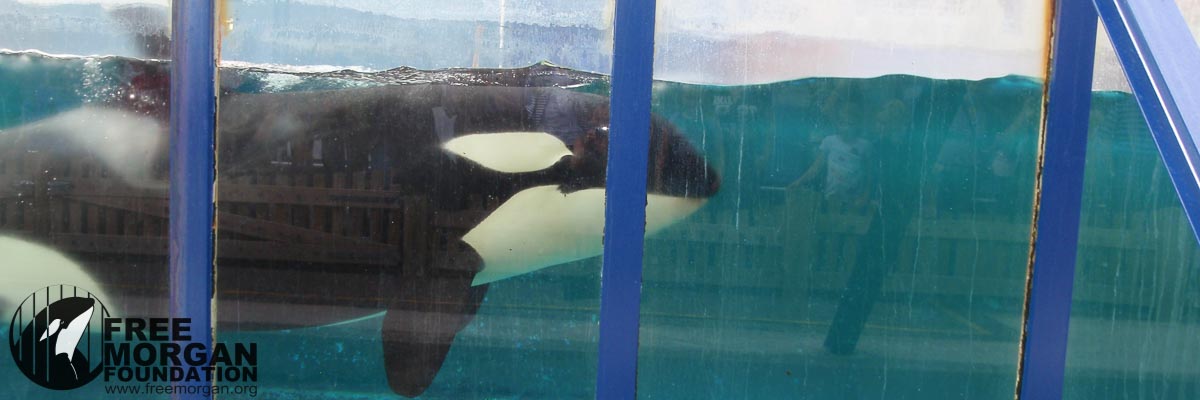
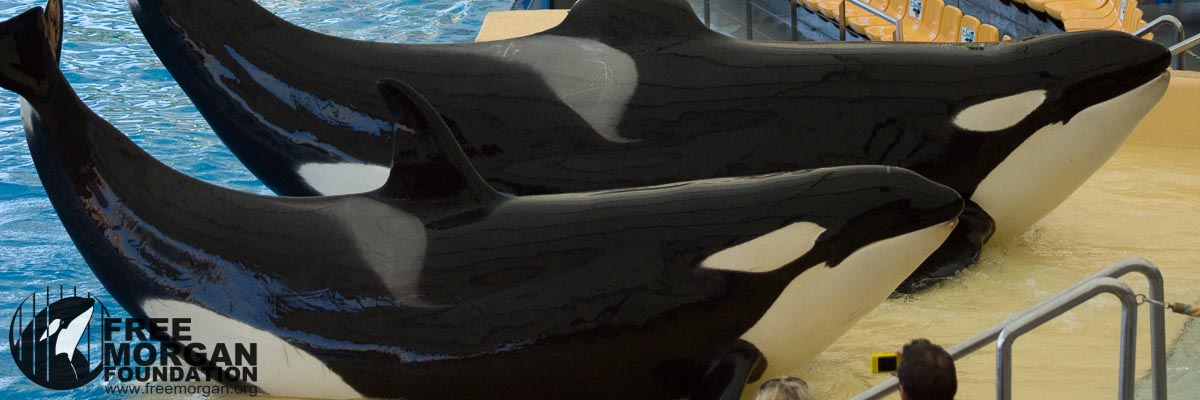
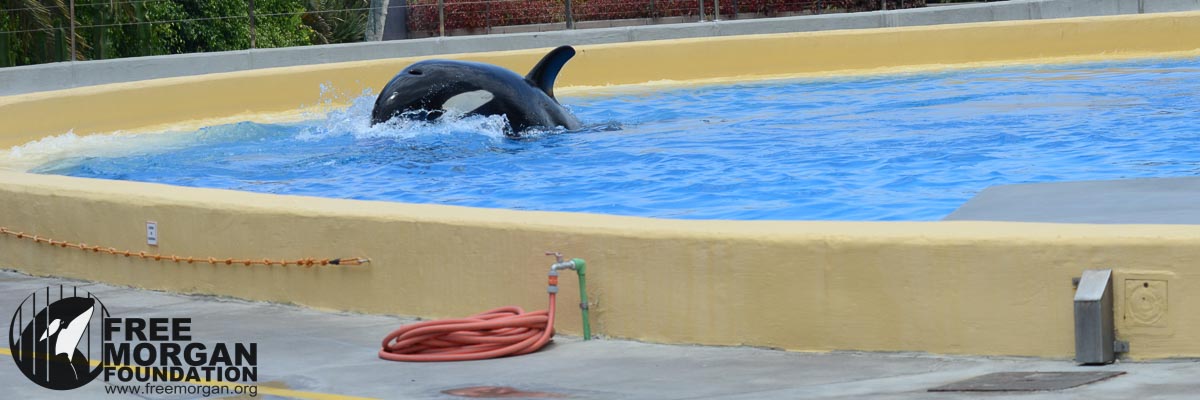
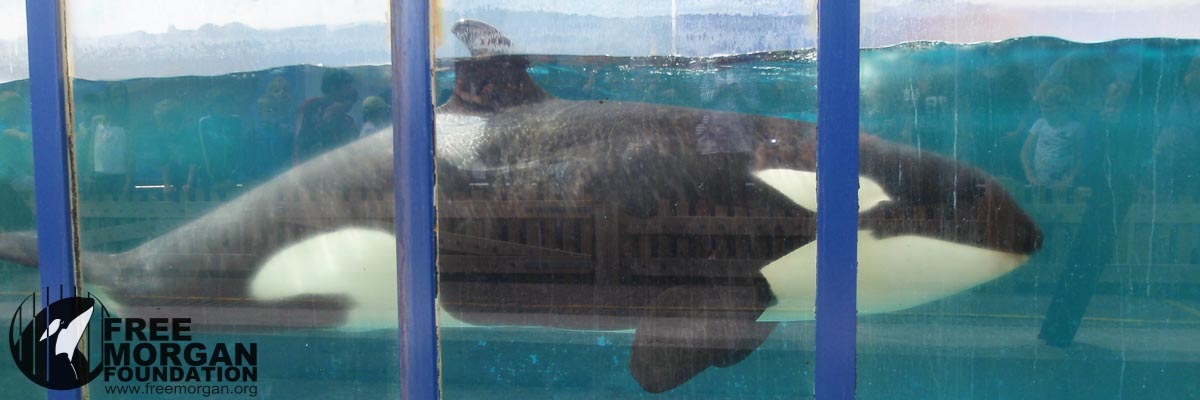
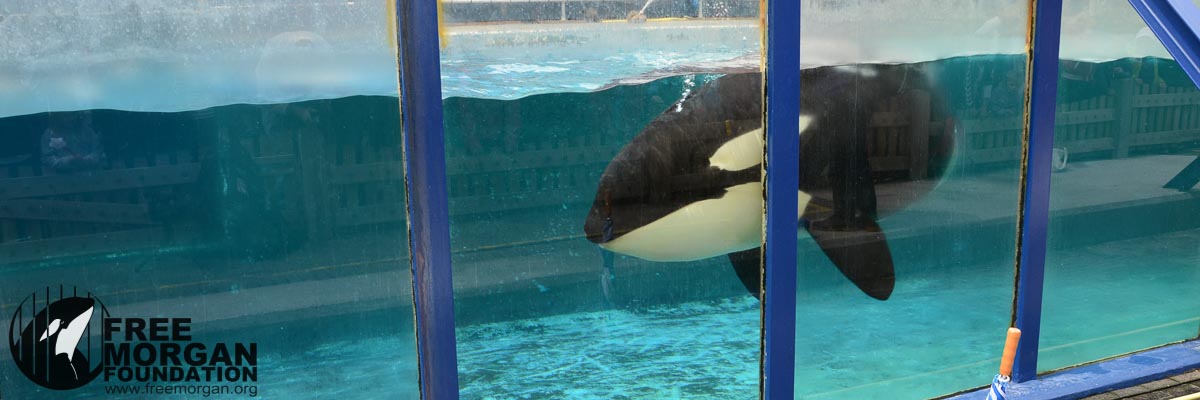
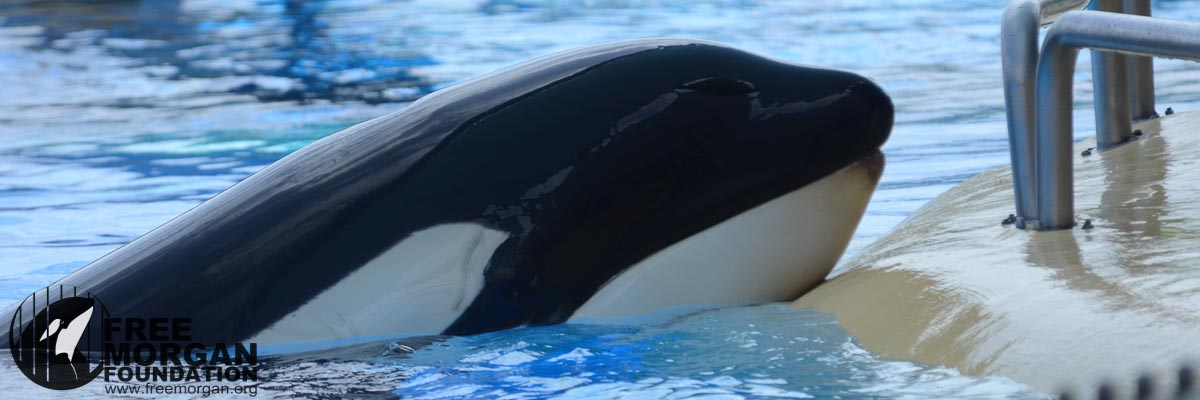
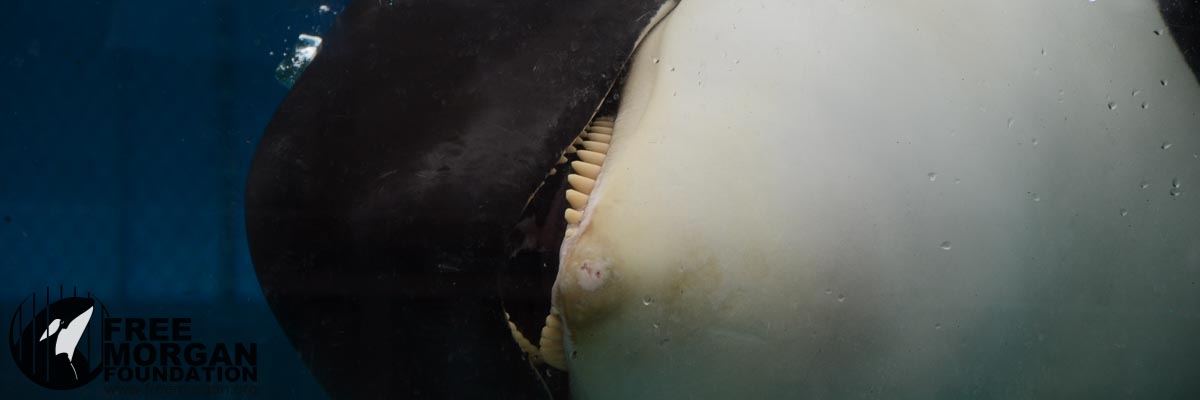
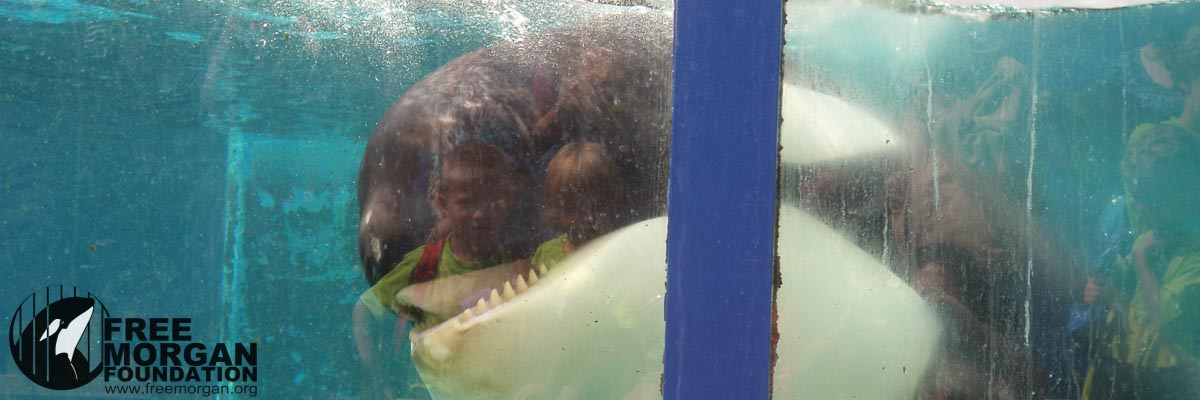

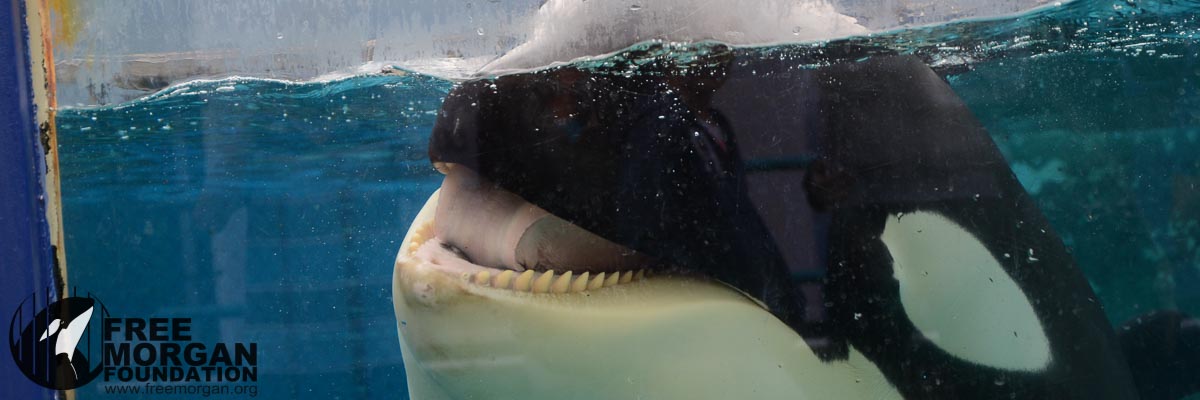
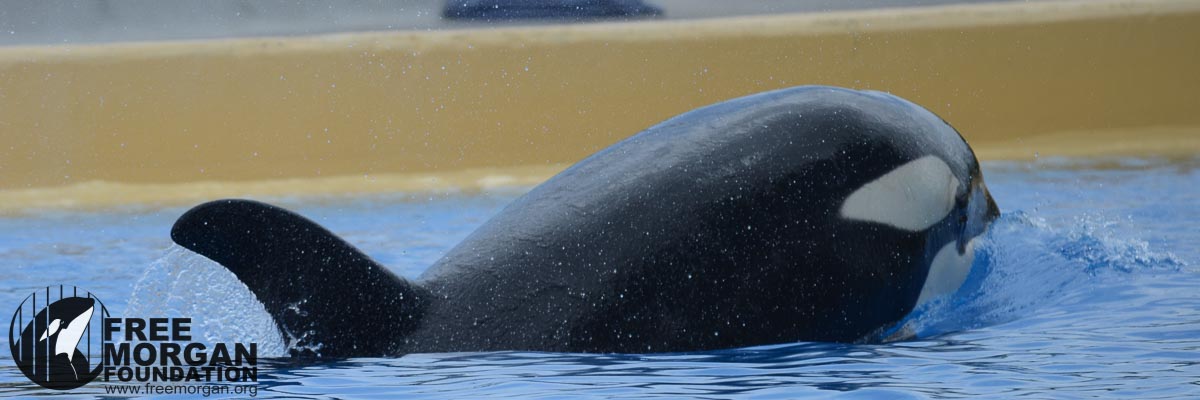
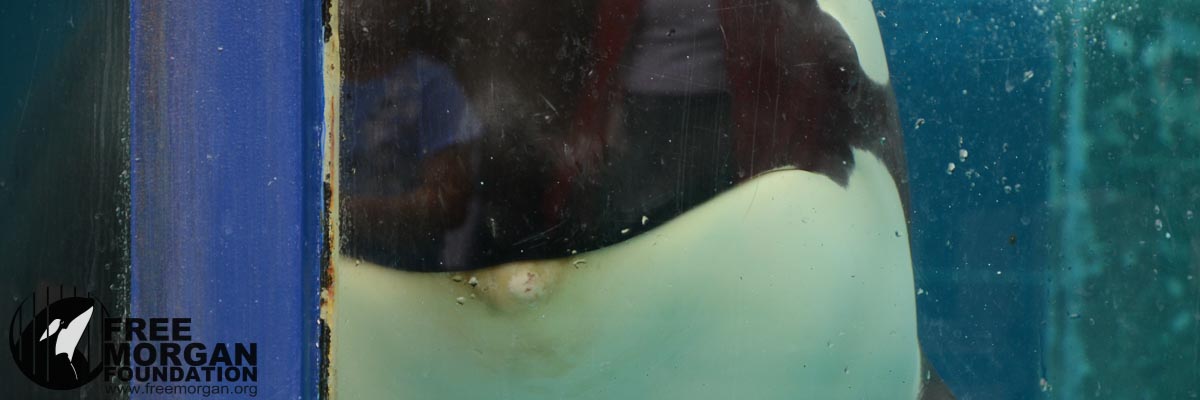
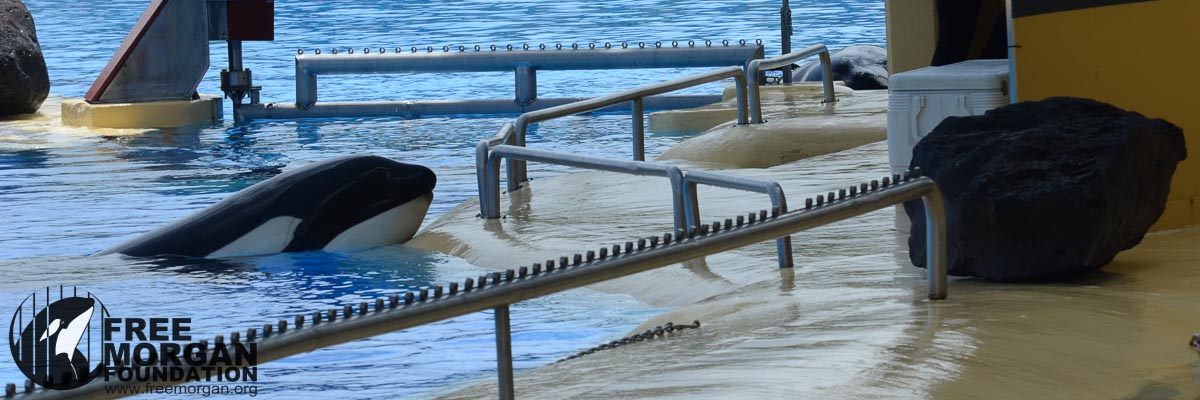
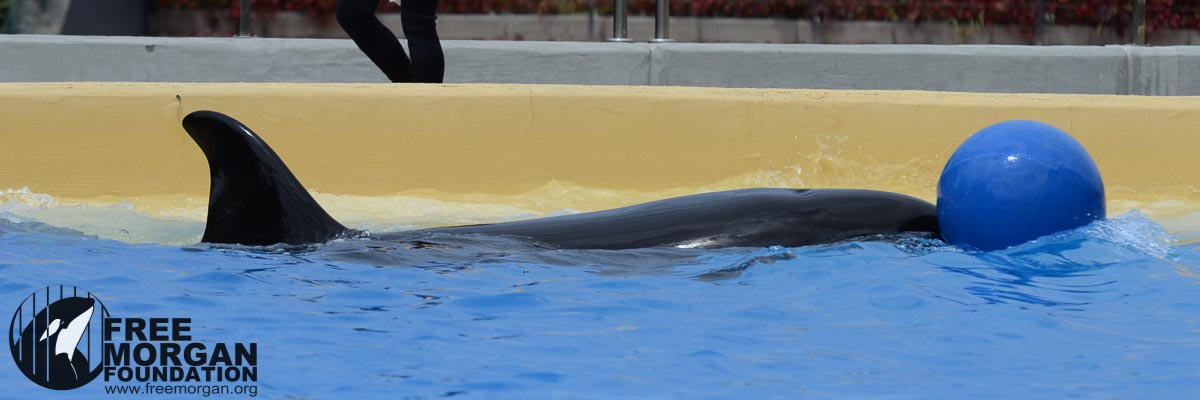
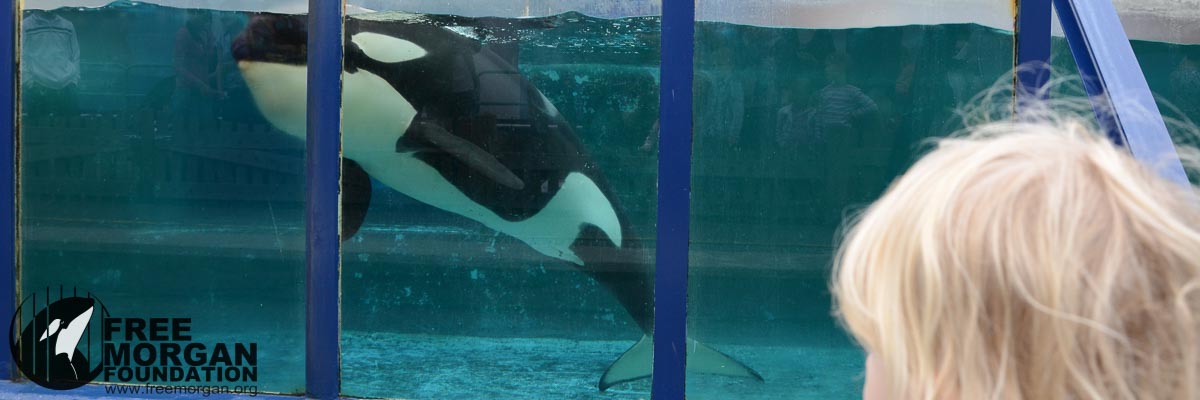
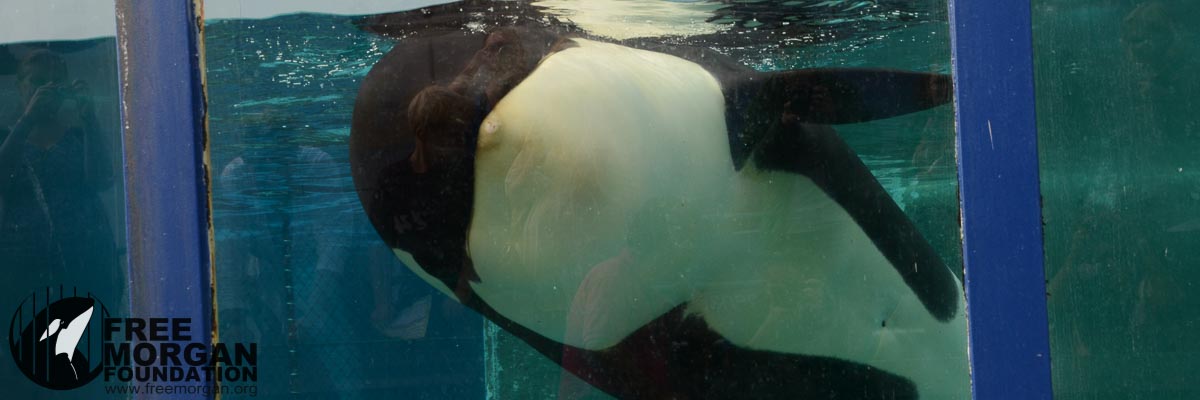
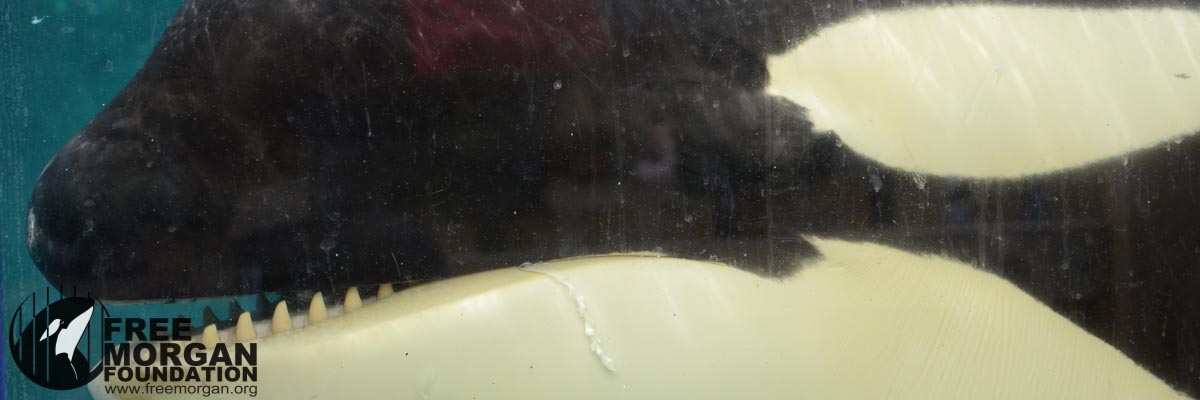

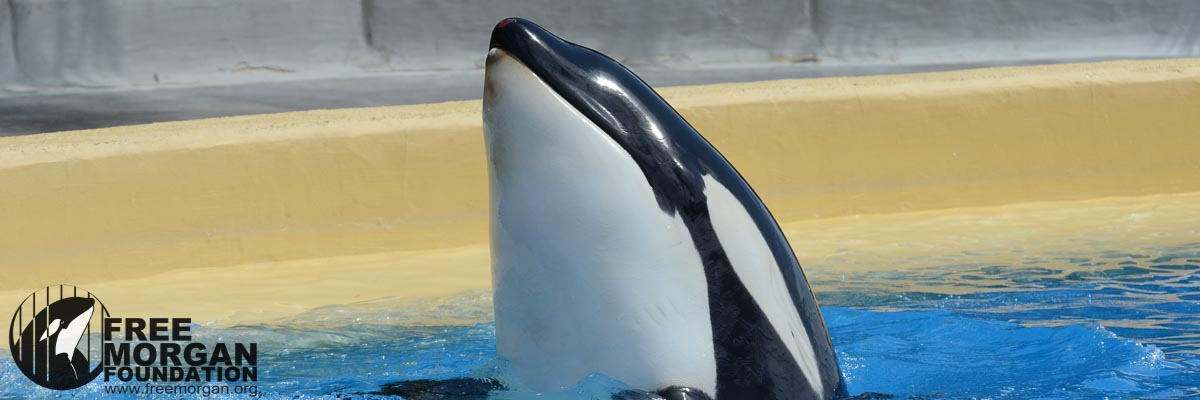
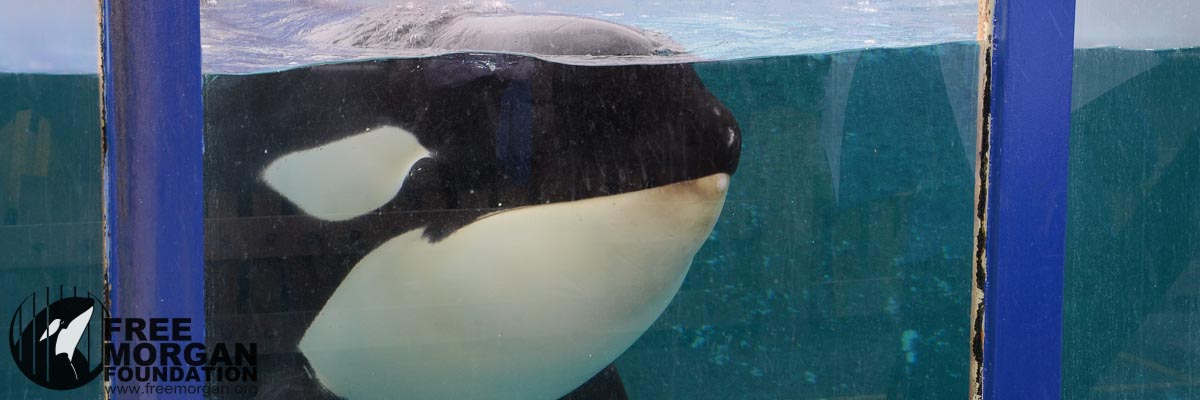
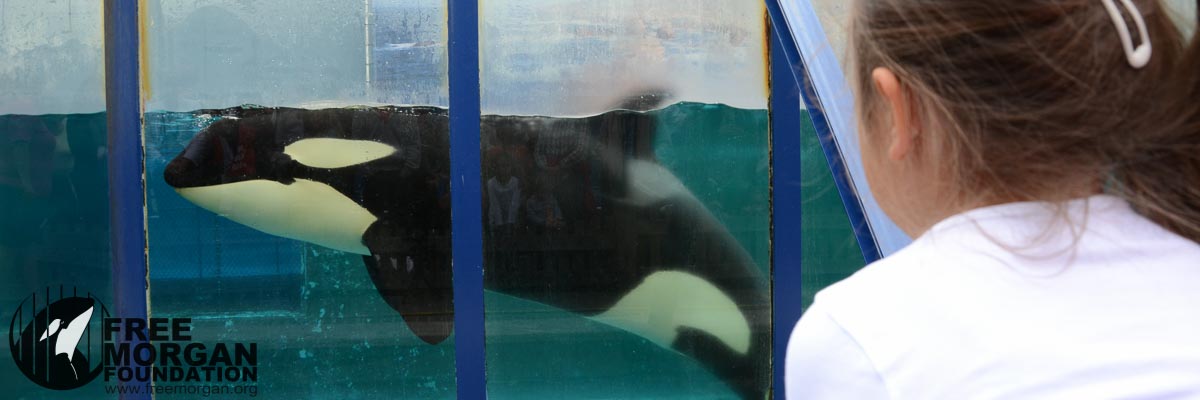
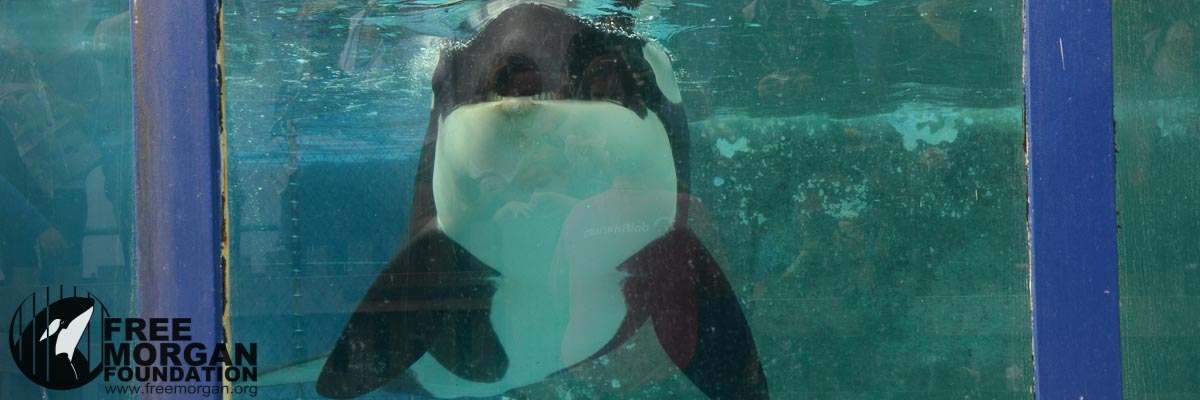
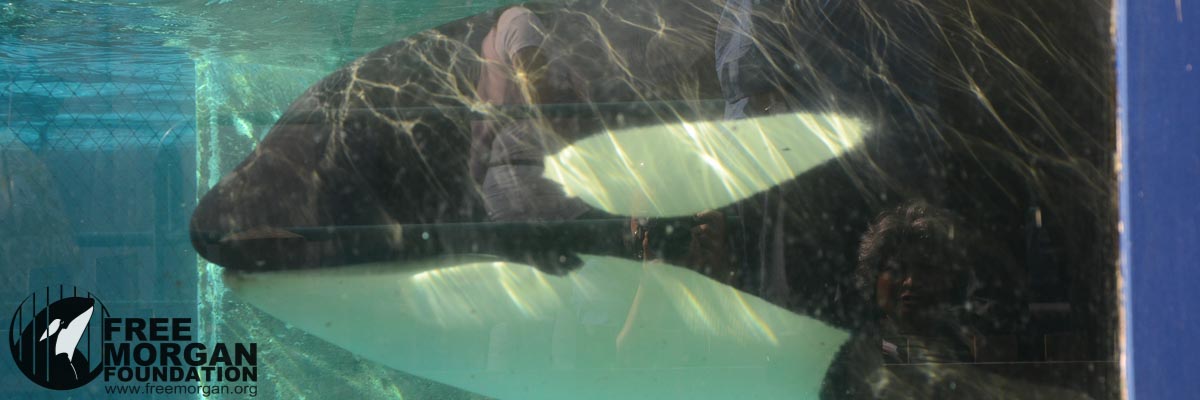
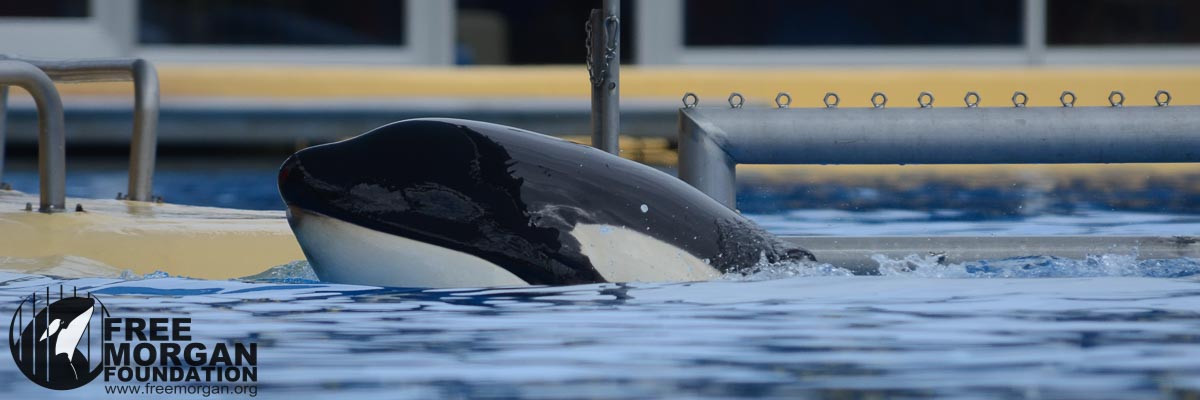
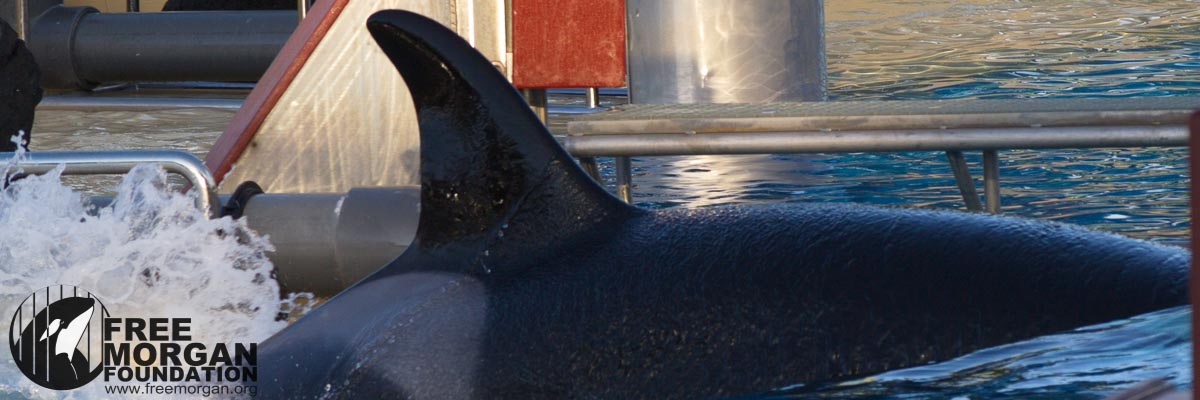
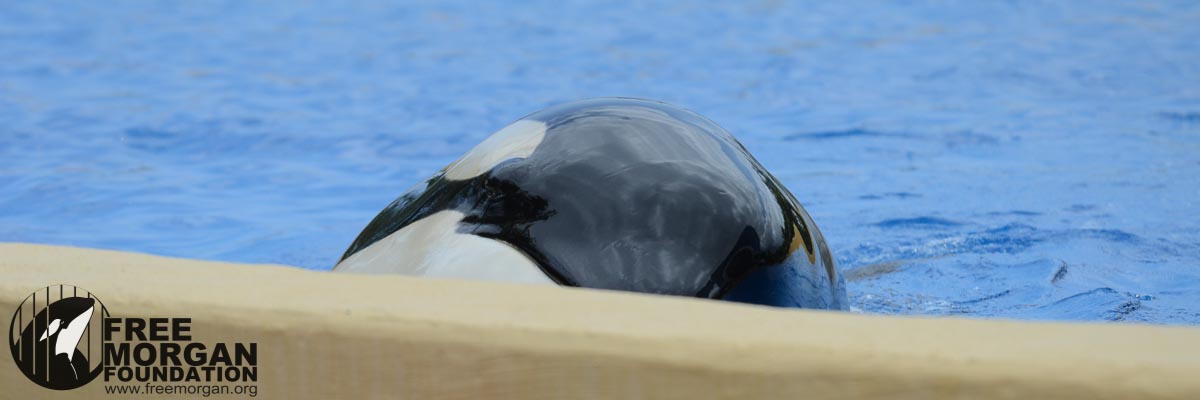
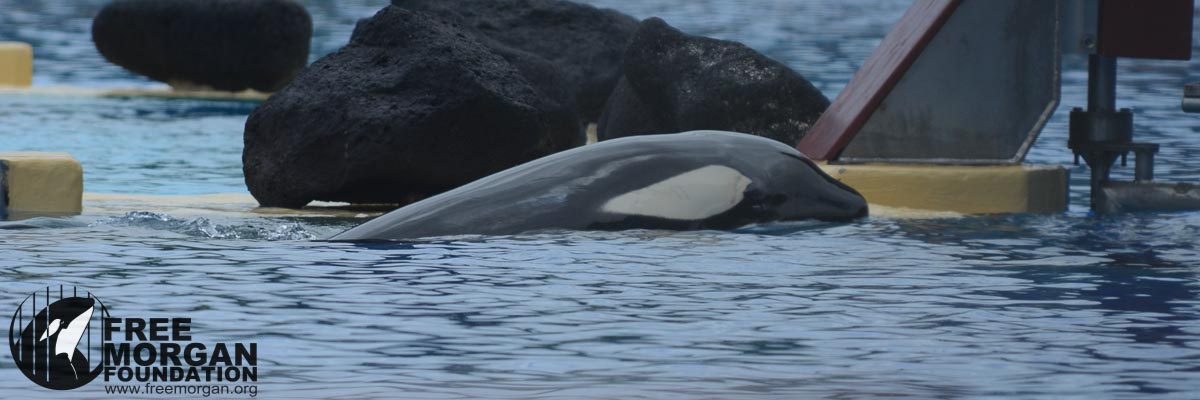
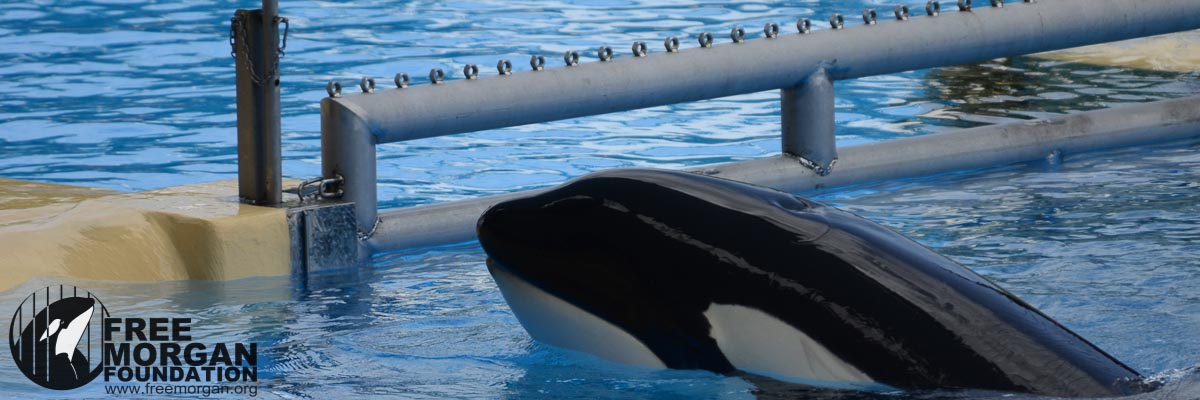
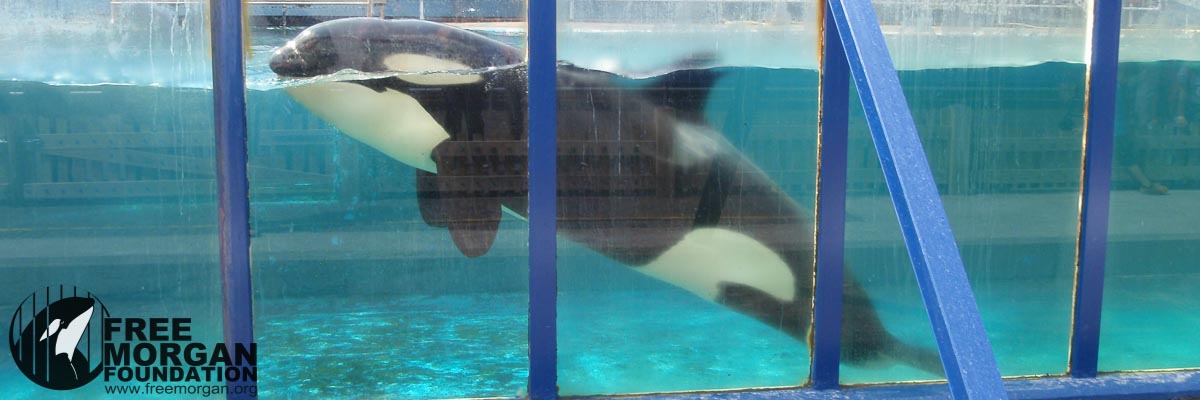
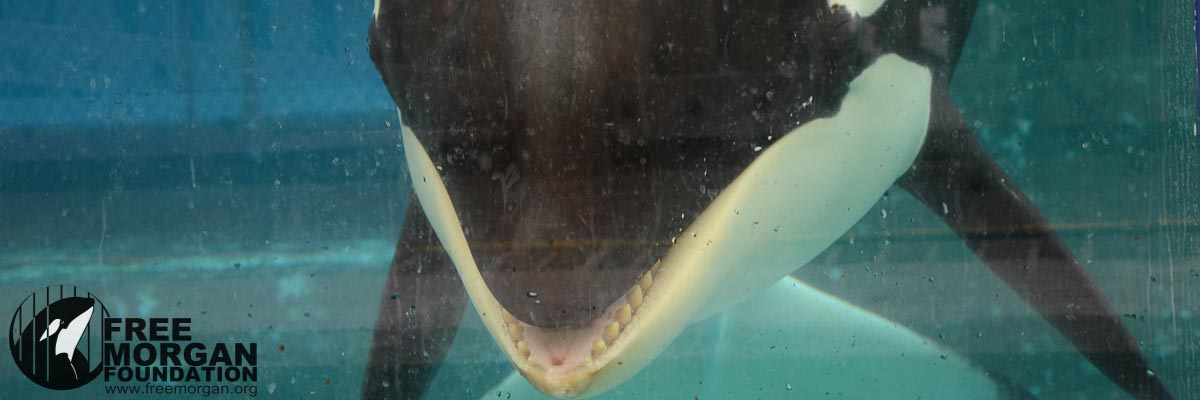
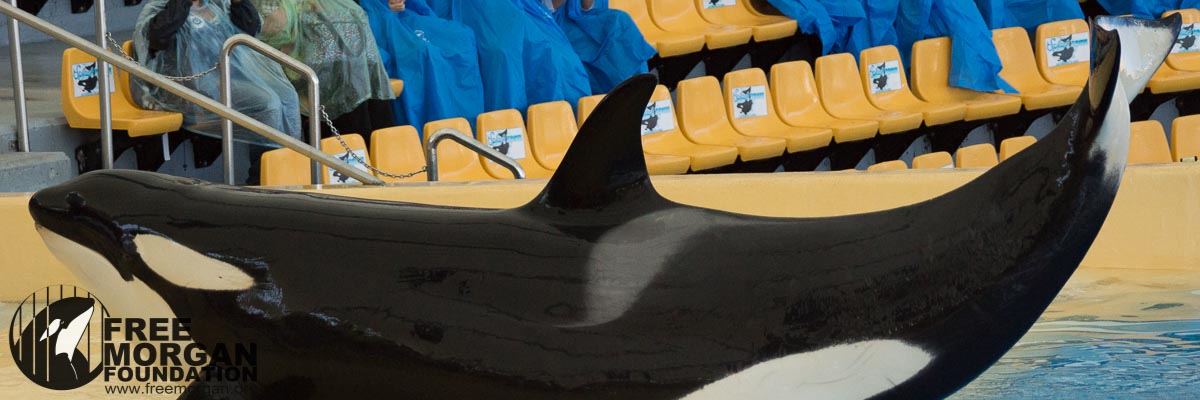
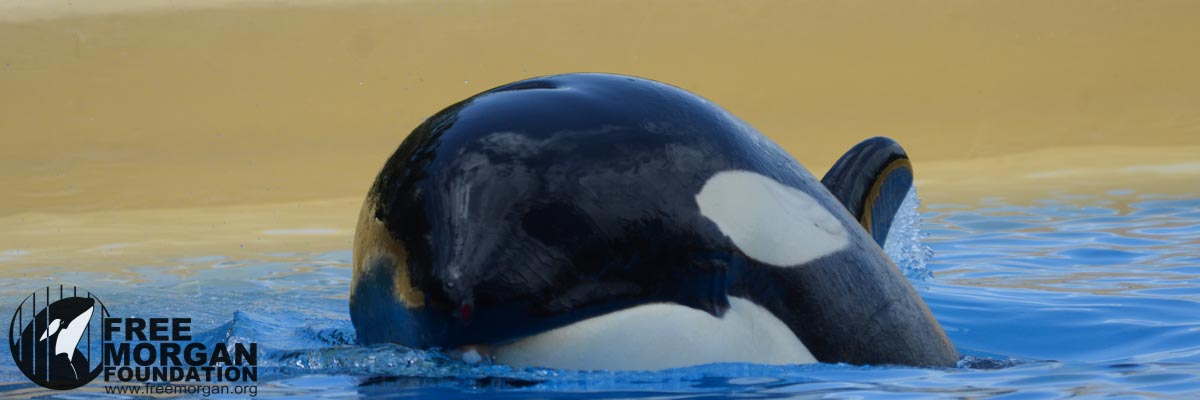
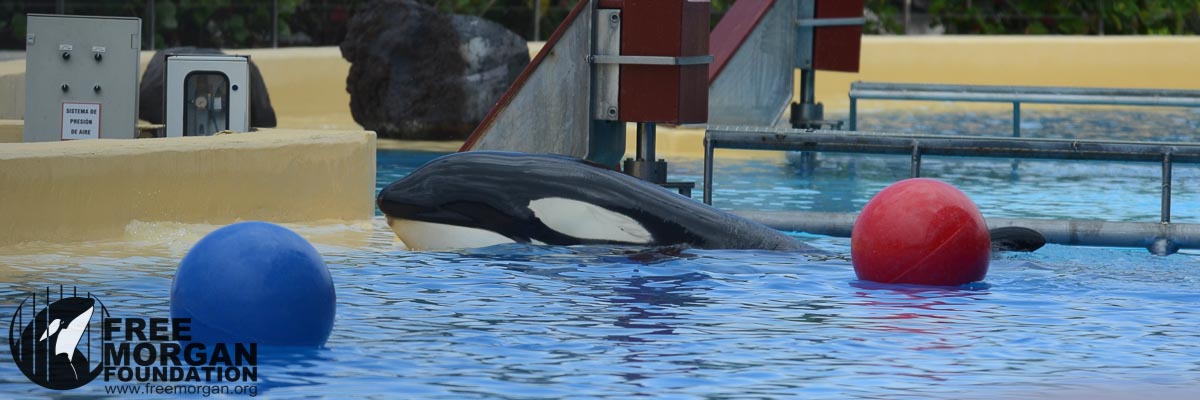
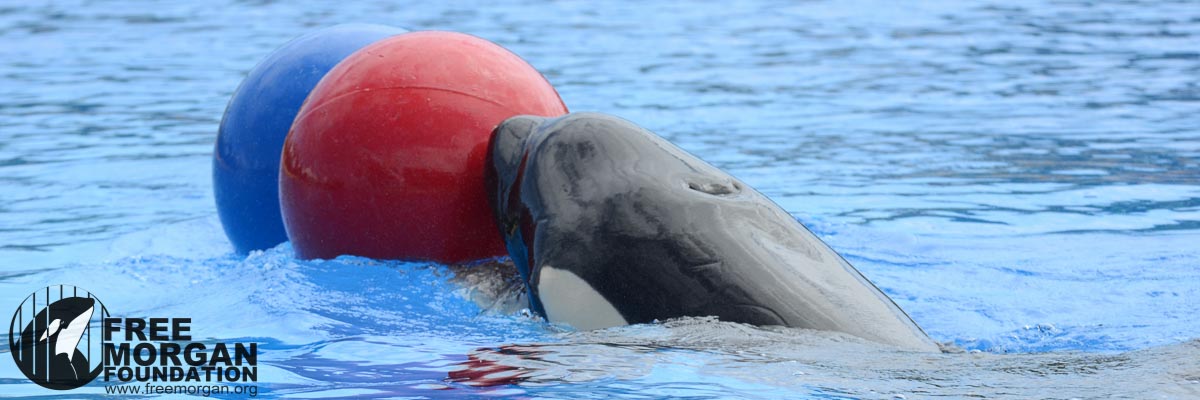
During the mandatory closure of Loro Parque due to COVID-19, what is happening to Morgan, her juvenile calf Ula and the other orca?
Without the public there to keep an eye on what is going on, we have no idea of the health and wellbeing of the orca and the other animals at this facility.
Although Loro Parque has published videos (on 24 March 2020 and 11 April 2020) extolling “presentations” of its orcas in an empty, lifeless stadium as a substitute for “exercise” and hyping the sourcing and testing of the frozen fish they feed the orca; they do not address the health, welfare or enrichment aspects of the animals at their facility. These slick videos fail to explain what will happen to the captive animals when their captors, the humans, can no longer provide for them should economic collapse and human morbidity overwhelm the park during this pandemic. We recognize that this is a difficult time for Loro Parque’s staff, but they can leave to seek shelter – the animals can’t.
We have noted in the past that Loro Parque has not been transparent or forthcoming and misinformed the public time and time again about the health and wellbeing of the orca (such as the pathogen infecting Ula).
Since Loro Parque has announced that it is closed to the public (via a small notification on the landing page of their website) there have been no recent updates.
Given that there is strong evidence that orca are susceptible to ‘the flu’ (see Tim Zimmerman’s blog) and we know that beluga and bottlenose dolphins can get coronaviruses (albeit different strains than the current SARS-CoV-2 which causes COVID-19) we have reason to be concerned. There is also evidence now that humans can pass on COVID-19 to animals – including wildlife kept in facilities like Loro Parque, so we have every reason to be concerned about the health and welfare of the orca and other animals at Loro Parque.
 The detection of COVID-19 virus in animals meets the criteria for reporting to the World Organization for Animal Health (OIE), through the OIE’s new World Animal Health Information System (WAHIS), in accordance with the OIE Terrestrial Animal Health Code – as an emerging disease.
Therefore, any detection of the COVID-19 virus in an animal (including information about the species, diagnostic tests, and relevant epidemiological information) should be reported to the OIE as well as the Member States CITES Scientific and Management Authorities.
At Loro Parque (or any other facility), a freezer full of fish is no guarantee that there will be a healthy, qualified, capable staff of humans to feed and care for the animals – if this pandemic persists; not just for days or weeks but for months to come. The difficult times humans are now facing as this crisis develops, and the impacts that is having on captive animals, emphasises once again why cetaceans shouldn’t be kept in captivity.
